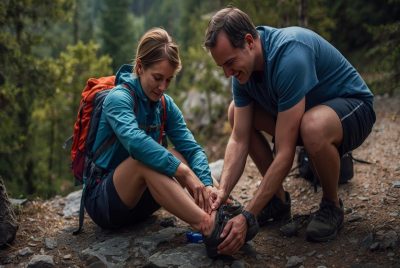
Venturing into the wilderness comes with incredible rewards, but it also carries the risk of unexpected…
15 Must‑Have First Aid Kit Items You Can’t Overlook
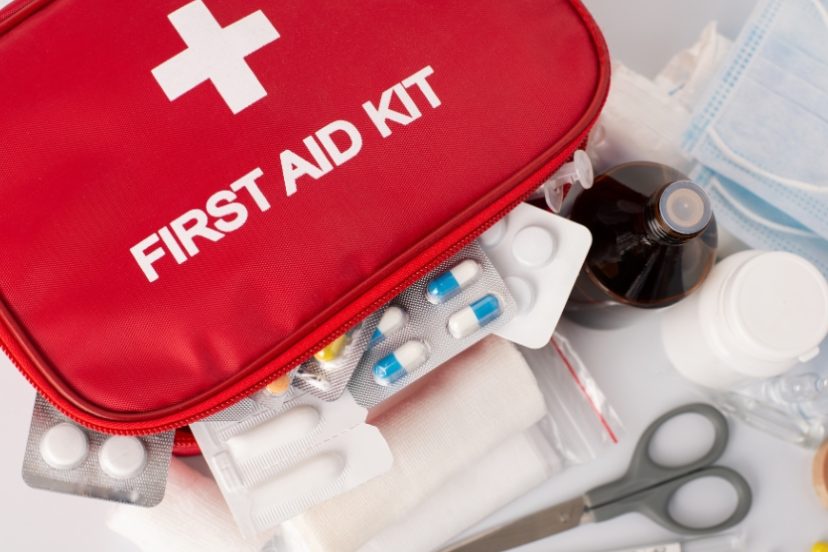
When it comes to survival and prepping, your first aid kit isn’t just a box of supplies—it’s a lifeline.
Whether you’re bugging out in the wilderness, dealing with a natural disaster, or simply preparing for unexpected emergencies at home, having the right first aid kit items can mean the difference between managing an injury effectively and facing a preventable complication.
We’ve spent years researching, testing, and refining what truly matters in survival scenarios, and we’ve boiled it down to the 15 must-have items that every prepper should include.
This isn’t about stocking shelves with unnecessary products—it’s about being prepared, staying safe, and acting decisively when it counts.
1)) Sterile Gauze Pads and Rolls
Gauze is a non-negotiable. It’s versatile, durable, and essential for controlling bleeding, dressing wounds, or even creating makeshift splints.
We recommend packing multiple sizes and at least a few rolls of sterile gauze. If you’re facing a serious laceration while off-grid, this will be your first line of defense.
Scenario: You’re on a hike and slip, cutting your forearm on a jagged rock. Immediate access to sterile gauze allows you to control bleeding and stabilize the injury before reaching help.
2)) Adhesive Bandages (Various Sizes)
While gauze handles major wounds, band-aids are perfect for smaller cuts and blisters. Include an assortment of sizes and shapes—finger, knuckle, and fingertip covers can prevent minor injuries from escalating into infections.
Tip: Keep a few waterproof bandages for outdoor survival situations where moisture is a factor.
3)) Antiseptic Solutions and Wipes
Properly cleaning wounds is critical for survival in a crisis. Alcohol wipes, iodine swabs, or antiseptic solutions prevent infections that could become life-threatening if left untreated.
What if? You’re trapped in a cabin during a storm and accidentally scrape your hand on broken wood. Without antiseptics, that minor cut could quickly turn into a serious infection.
4)) Antibiotic Ointment
After cleaning a wound, applying a layer of antibiotic ointment reduces the risk of infection. It’s lightweight, long-lasting, and can be used for small or moderate injuries.
Pro Tip: Choose a version that can be stored at room temperature to avoid spoilage during extended survival scenarios.
5)) Elastic Bandages (Ace Wraps)
Sprains and strains are common in survival situations. Elastic bandages provide compression, reduce swelling, and offer support. We recommend at least two or three rolls of varying widths.
Scenario: While navigating uneven terrain, you twist your ankle. A snug Ace wrap stabilizes the joint and keeps you moving until you can safely rest.
6)) Tweezers and Scissors
Removing splinters, cutting tape, or trimming gauze requires reliable tools. Tweezers and scissors should be made of a durable, corrosion-resistant material. Survivalists often include a small multi-tool with these features to reduce bulk.
7)) Medical-Grade Tape
Tape secures gauze, splints, and bandages. Opt for medical-grade adhesive tape that won’t irritate the skin and maintains a firm hold, even in humid or wet conditions.
Action-Oriented Tip: Always pack extra rolls. In prolonged survival situations, tape is used more than you expect.
8)) Tourniquet
Life-threatening bleeding demands immediate action. A tourniquet is indispensable for controlling severe arterial bleeding when professional help is hours—or even days—away.
Scenario: While on a bug-out route, an accident results in heavy bleeding from a deep cut. A tourniquet can stabilize the injury, buying critical time.
9)) Pain Relievers
Ibuprofen, acetaminophen, and aspirin are essential for pain, inflammation, or fever. In a survival setting, pain management is more than comfort—it enables mobility and functionality.
Tip: Store medications in waterproof containers and rotate them to ensure they remain effective.
10)) Antihistamines
Allergic reactions can escalate quickly, especially in remote areas where professional care isn’t available. Antihistamines mitigate reactions from insect bites, plant exposure, or mild food allergies.
What if? You’re foraging and unknowingly touch poison ivy. Immediate antihistamine treatment can prevent swelling and discomfort from hindering your survival tasks.
11)) Burn Cream or Aloe Gel
Burns are a constant hazard—fires, cooking, sun exposure, and hot surfaces all pose risks. Burn cream or aloe gel soothes the skin, prevents infection, and accelerates healing.
Scenario: While preparing a campfire meal, you accidentally burn your hand. Applying gel immediately reduces pain and prevents blisters from worsening.
12)) Eye Wash or Saline Solution
Debris, chemicals, or environmental exposure can damage the eyes. A compact eye wash solution or sterile saline is crucial for rinsing and preventing permanent injury.
Tip: Include a small squeeze bottle or pre-packaged sterile solution in your kit for mobility.
13)) Hydration and Electrolyte Packets
In survival settings, dehydration and electrolyte imbalance are real threats. Oral rehydration salts or electrolyte packets help maintain fluid balance, especially after injury, strenuous activity, or extreme weather.
Action-Oriented Tip: Store several single-serving packets for easy use in the field.
14)) Emergency Blanket
Shock, hypothermia, and exposure are common survival risks. A compact emergency blanket retains body heat and can double as a ground cover or improvised shelter.
Scenario: A sudden storm forces you to spend the night outdoors. Wrapping in an emergency blanket can prevent hypothermia and keep morale high.
15)) First Aid Manual or Instructions
Even experienced preppers can benefit from a reliable guide. Step-by-step instructions for wound care, splinting, CPR, and other emergency procedures provide confidence when facing high-stress scenarios.
Tip: Waterproof or laminated guides last longer in survival environments.
Building a Survival-Ready First Aid Kit
Preppers know that a kit is only as good as its contents and accessibility. Here’s how to make it effective:
- Assess Your Needs: Consider family size, environment, and likely scenarios. Hiking, home, and bug-out kits may vary.
- Prioritize Critical Items: Bleeding control, wound care, hydration, and pain management take precedence.
- Use Durable Containers: Waterproof, crush-proof cases keep items safe in extreme conditions.
- Label Everything: Clear labels prevent confusion in high-stress moments.
- Regularly Inspect and Replace: Expired medications or damaged supplies can render a kit useless.
Scenario-Based Tip: Imagine a multi-day power outage combined with icy roads. You may be forced to treat injuries at home with no immediate hospital access. Having first aid kit items organized and ready is critical.
Pro-Tip: While it’s possible to gather each of these 15 must-have first aid kit items individually, buying a pre-assembled survival or prepper first aid kit often makes more sense. These kits are thoughtfully curated to include most, if not all, essential supplies, saving you both time and money. Plus, you’ll know that the items are designed to work together in real-world emergency scenarios. Don’t wait until a crisis hits—invest in a ready-to-go kit today and be prepared for anything.
Browse our selection of survival-ready first aid kits and find one that suits your needs.
Check Out First Aid Kits on Amazon!
Conclusion
Survival isn’t about fear—it’s about preparation, knowledge, and action. A well-stocked first aid kit is a cornerstone of any prepper’s strategy.
By including these 15 must-have first aid kit items, we equip ourselves to handle emergencies, maintain mobility, and protect our health even when professional help isn’t immediately available.
It’s not just about owning the gear—it’s about knowing how to use it and keeping it ready at all times.
Review your kit, practice basic first aid skills, and customize your supplies based on your environment and anticipated risks. When survival is on the line, preparation saves lives.

More to Explore